Prevent Damage on Norwood Green Terraced Streets
Posted on 10/06/2026
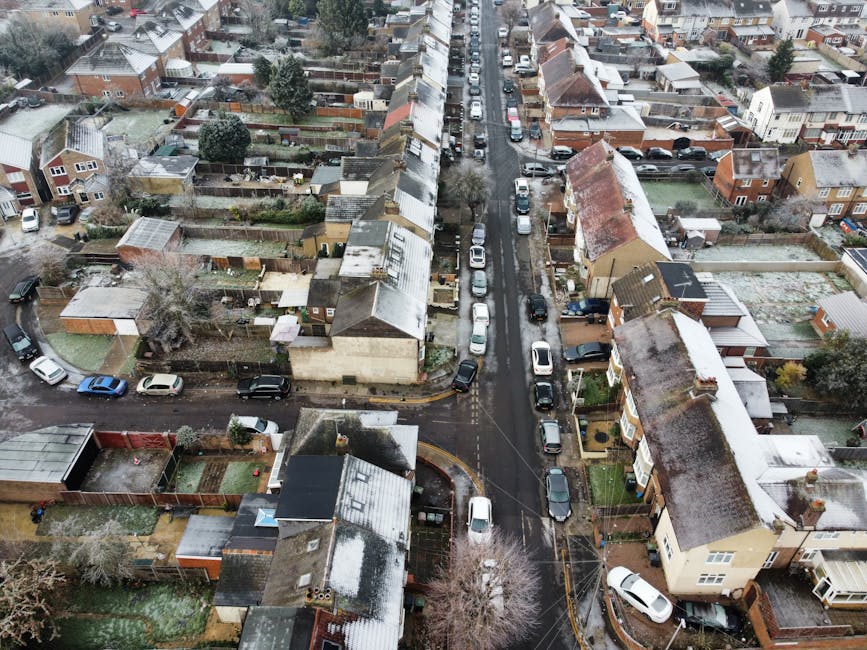
Terraced streets in Norwood Green can make a move feel a bit tighter, a bit slower, and a lot more delicate than people expect. One scraped wall, one cracked step, one wheel catching a kerb, and suddenly a simple house move turns into a repair bill and a headache. If you want to prevent damage on Norwood Green terraced streets, the answer is rarely brute force. It is usually planning, patience, and a few small decisions made early enough to matter.
This guide breaks down the practical side of moving safely on narrow residential streets, shared walkways, compact front paths, tight staircases, and those awkward corners where a sofa seems to develop opinions of its own. You will find step-by-step advice, common mistakes, useful tools, and a few local realities that matter on the day. Let's face it, the street is not the place to improvise.
Why Prevent Damage on Norwood Green Terraced Streets Matters
Terraced streets are built for daily life, not for a parade of boxes, wardrobes, mattresses, and awkwardly shaped furniture. That is exactly why damage happens so easily. The risks are not dramatic in the beginning. They start small: a bumped doorway, a scuffed stair edge, a wheelmark on a path, a cracked flowerpot, a dented banister. Then, all at once, the whole move feels messy.
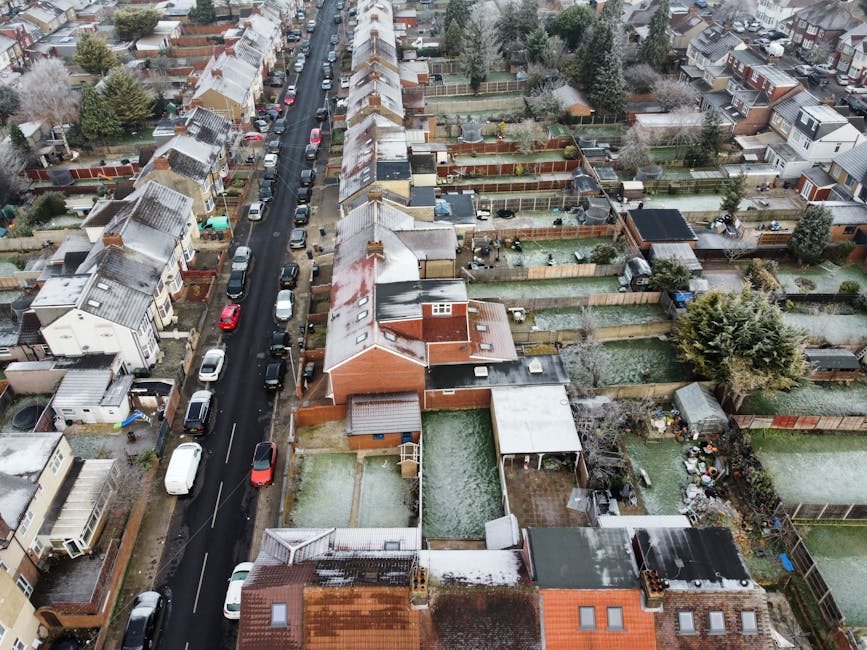
In Norwood Green, the challenge is often a mix of narrow access, parked cars, tighter turning space, and shared spaces that need more care than a typical driveway move. On a terraced road, you may need to work around neighbours, front walls, low railings, and bins left out a little too early. It is not just about protecting your own items. It is about protecting the street, the property, and, frankly, everyone's patience.
Damage prevention matters for three simple reasons. First, it helps avoid repair costs. Second, it keeps the move calm and organised. Third, it reduces stress between neighbours, landlords, tenants, and movers. If you are moving out of a rented terrace, this can be especially important because even minor marks can become a discussion later. Nobody wants that.
There is also a subtle benefit people overlook: when you slow down enough to protect surfaces, the whole job often becomes safer. Less rushing means fewer slips, fewer strained backs, and fewer little accidents that happen when somebody tries to "just get it done." We have all seen that movie. It never ends well.
How Prevent Damage on Norwood Green Terraced Streets Works
Damage prevention on terraced streets is really a process of controlling the route before the item starts moving. Think of it as creating a clean line from front door to vehicle, then keeping that line clear and protected until the last box is loaded.
The process usually has four parts:
- Route checking - looking at the path from the property to the van and spotting narrow points, uneven paving, low walls, steps, gates, and tight turns.
- Surface protection - using covers, blankets, edge guards, and floor protection so the house and path are less likely to be scratched or scuffed.
- Load control - moving items in the right order, with enough people, using the right lifting method, and avoiding sudden pivots.
- Traffic and timing awareness - choosing a sensible time of day, keeping the path clear, and avoiding rushed loading around passing cars or pedestrians.
The best results come when these parts work together. A well-wrapped item still gets damaged if someone clips a gatepost. A perfect lifting technique still fails if the route is blocked by bins, bikes, or a neighbour's car door swinging open. So the trick is not one magic fix. It is coordination. Boring, maybe. Effective, absolutely.
If the move involves bulky furniture, it often helps to read practical lifting guidance first, especially if one person is tempted to do too much alone. The advice in your ultimate guide to single-handed heavy lifting is a useful reminder that controlled technique matters more than confidence.
Key Benefits and Practical Advantages
When people say they want to prevent damage, they usually mean the obvious stuff: no broken furniture, no chipped paint, no scratched flooring. But the benefits go beyond that.
- Fewer repair surprises - less chance of paying for touch-ups after the move.
- Better speed in practice - careful moves often run smoother because nobody has to stop and fix mistakes.
- Less strain on people - a planned route is easier on backs, shoulders, and tempers.
- Better neighbour relations - important on tight streets where everyone notices everything.
- Cleaner handover - especially helpful when a tenancy or sale depends on the property being left tidy.
- Lower risk of item damage - televisions, mirrors, wardrobes, and mattresses all survive better when they are handled properly.
There is a quieter advantage too. A protected move tends to feel more professional. People move more carefully when the entrance is prepared, the van is positioned properly, and the team has a plan. You can actually feel the difference. Less noise, fewer abrupt shuffles, fewer "wait, hold on" moments.
If you need extra support with furniture specifically, the service page for furniture removals in Norwood Green is a sensible place to look for broader help.
Who This Is For and When It Makes Sense
This topic is not just for people with enormous sofas and an unfortunate staircase. It applies to many everyday situations in Norwood Green where space is limited and access needs thought.
You will benefit from this approach if you are:
- moving into or out of a terraced house
- renting and need to avoid deposit deductions
- helping a family member move with fragile furniture
- working around narrow pavements, small front gardens, or shared entrances
- moving bulky items like beds, wardrobes, and appliances
- using a van on a street where parking is tight or unpredictable
It also makes sense when the move involves time pressure. In a same-day situation, damage risk usually rises because people skip the planning stage. That is where a careful route check becomes even more valuable, not less. If the move is urgent, the practical advice in same-day removals for Norwood Green emergencies can help you think through the day more clearly.
And if you are dealing with upper floors, narrow hallways, or twisting staircases nearby, the guidance in UB2 moves narrow streets and staircase solutions covers a few of the same movement challenges you are likely to face around terraced streets too.
Step-by-Step Guidance
Here is the practical sequence we would use on a real move. Not glamorous, but very effective.
1. Walk the route before lifting anything
Start at the front door and walk to the van. Look for uneven paving, loose steps, low walls, sharp corners, and anything that could snag a wheel or knock a box. Check whether the front gate opens fully. Check whether the van can sit close enough without blocking traffic. Small details matter more than people think.
2. Clear the path properly
Move bins, scooters, plant pots, loose mats, and anything else that narrows the route. If a neighbour's car affects access, speak politely and early. Most people are reasonable if you give them a bit of notice. It is the surprise that causes trouble.
3. Protect the surfaces
Lay floor covering where feet will turn repeatedly. Use blankets or pads on door frames and corners. On painted walls, a small bump can leave a mark instantly. On older terraces, edges are often softer or already worn, so a little protection goes a long way.
4. Wrap awkward furniture first
Oversized items should be wrapped before they reach the doorway. That includes mirrors, table legs, sofa arms, and wardrobe corners. If you wait until the item is half outside, you are already too late. The wrapping needs to happen while you still have space.
5. Use the right number of people
A common mistake is trying to save time by using too few helpers. That usually backfires. Two people may be enough for some boxes, but not for a large mattress, a heavy sideboard, or anything long enough to catch walls at both ends. If you are unsure, choose safety over pride. Pride is very cheap; repairs are not.
6. Move slowly at turning points
The doorway, porch, and path bend are where damage usually happens. Pause there. Reposition hands. Check the angle. A steady half-step beats a hurried tug every time.
7. Load the van in a sensible order
Put larger and sturdier items in first, then stack carefully. Fragile pieces should never be trapped under heavy loads. If you are packing mixed items, a clear loading plan is worth its weight in tea and biscuits. Helpful packing guidance is available in how to pack efficiently for a smooth moving experience.
8. Check the street before the final run
Before you bring out the last items, look again at the pavement and the van position. Has another car arrived? Has a bin been moved into the way? Has rain made the path slippery? Conditions can change quickly, especially later in the morning.
A final point worth making: if you have time, declutter before the move. Fewer items means fewer handling trips, which means fewer opportunities for damage. The advice in effective decluttering techniques for a stress-free move is especially useful if you are trying to reduce what needs carrying.
Expert Tips for Better Results
Here are the small things that make a surprisingly big difference.
- Use gloves with grip if the item surface or weather makes holding harder.
- Take corners wider than feels necessary; tight turns are where scuffs appear.
- Protect the bottom edge of doors with padding before the first trip, not after the first mark.
- Keep one person free to watch the route when moving very large items.
- Lift, pause, then pivot rather than trying to lift and twist at the same time.
- Bring towels or cloths for damp paths; a wet terrace step is a small hazard with a big attitude.
- Store the van tools neatly so nothing rolls underfoot while you are loading.
One of the simplest expert habits is this: slow down just before the hardest part. Most damage does not happen during the easy carry. It happens in the final three seconds before the item clears the door or lands in the van. That is where people relax too soon.
If you are moving a sofa or keeping one in storage before the move, the guidance in keeping your sofa looking new with long-term storage advice can help you avoid the kind of wear that starts before the van even leaves the street.
And for items with unusual shape or weight, such as pianos, it is sensible to rely on experience rather than enthusiasm alone. That is not a dig. It is just reality. The page on moving a piano with experience over enthusiasm makes that point very clearly.
Common Mistakes to Avoid
Most damage on terraced streets comes from predictable mistakes, and they are easy enough to avoid once you know what to look for.
- Rushing the first trip - people often start calm and then speed up once they think the move is "going fine."
- Ignoring the turning space - if the path narrows at the gate, plan for it before the item gets there.
- Using bare hands on awkward loads - fingers slip, sleeves snag, and corners win.
- Dragging instead of lifting - dragging may feel easier, but it is rough on floors and furniture.
- Blocking the pavement - this can make the move awkward for pedestrians and can create avoidable tension.
- Skipping protective materials - a few blankets are cheaper than repainting a scuffed wall.
- Trying to do everything in one go - small, controlled runs are usually safer than heroic chaos.
Another classic issue is forgetting that terraced streets often have neighbour activity built into them. Someone may be taking a parcel inside, a child may be riding a bike, or a car may suddenly need to reverse out. If you are not watching the whole scene, you will miss the thing that causes trouble.
Oddly enough, the mistake people remember least is poor packing. But poor packing creates pressure everywhere else. Boxes too heavy, items too loose, awkward shapes too exposed. If packing is rushed, the street work becomes harder. The article on achieving a zen-like house move is a good reminder that calm planning improves the entire day, not just the packing table.
Tools, Resources and Recommendations
You do not need specialist equipment for every move, but a sensible toolkit makes a big difference. Think practical, not overcomplicated.
| Tool or Resource | What It Helps With | Why It Matters on Terraced Streets |
|---|---|---|
| Furniture blankets | Protecting frames, doors, and corners | Stops scrapes in narrow passages |
| Floor runners or mats | Protecting internal floors and steps | Useful where repeated foot traffic is inevitable |
| Straps or trolleys | Moving heavier items more safely | Reduces dragging on pavements and thresholds |
| Edge guards | Protecting wall corners and door frames | Very handy in older terraces with tight angles |
| Labelled packing materials | Organising the load | Helps keep fragile items from being crushed |
| Route notes or a simple plan | Knowing where each item will go | Prevents hesitation at the doorway |
If you need a broader moving setup rather than a one-off lift, a local man and van in Norwood Green can be a practical fit for shorter routes and compact street access. For larger jobs, you may prefer a full house removals in Norwood Green approach.
People often ask whether storage can reduce damage risk. Sometimes, yes. If you are not ready to move everything in one day, placing items into storage in Norwood Green can break the move into smaller, less stressful stages. That can be a very sensible decision, especially with valuable furniture.
Law, Compliance, Standards, or Best Practice
Terraced street moves are usually governed less by dramatic legal rules and more by common-sense duties, local expectations, and good moving practice. Still, a careful approach matters. If you block a pavement, damage shared property, or ignore safety around pedestrians and vehicles, problems can arise quickly.
Best practice in the UK generally means keeping access safe, respecting neighbours, and using lifting methods that avoid unnecessary risk. If a vehicle needs to stop on a public road, it should do so responsibly and without creating avoidable obstruction. If a property is rented, the condition of walls, floors, doors, and communal areas can matter when you hand back the keys. None of this is glamorous, but it is the reality of moving in a lived-in street.
It is also sensible to follow the mover's own safety approach. The company's health and safety policy and insurance and safety information are worth reviewing if you want added confidence before booking. That kind of transparency tells you a lot about how seriously a team takes risk.
If you are comparing providers, make sure any quoted scope is clear. What is being protected? What counts as access difficulty? What happens if parking is tighter than expected? The better the plan, the fewer surprises later. Simple, but true.
Options, Methods, or Comparison Table
Different moves call for different methods. Here is a plain comparison to help you choose what fits best.
| Method | Best For | Pros | Trade-Offs |
|---|---|---|---|
| Self-move with friends | Small to medium loads, limited budget | Flexible and low cost | Higher risk if lifting or access is awkward |
| Man and van | Compact moves, single items, lighter house moves | Good for short-notice jobs and tight streets | May need careful planning for fragile or heavy items |
| Full removals team | Larger properties, heavy furniture, multi-room moves | More control, more protection, usually safer | Typically needs more scheduling and coordination |
| Split move with storage | Staged relocation, renovation, or downsizing | Reduces pressure on the street and on the day | Requires extra organisation and timing |
For many terraced streets in Norwood Green, a hybrid approach works best: careful packing, a clear route, and a move team that understands local access issues. If the move involves flats as well as terraces, it may help to compare with flat removals in Norwood Green because the access planning mindset is very similar.
Case Study or Real-World Example
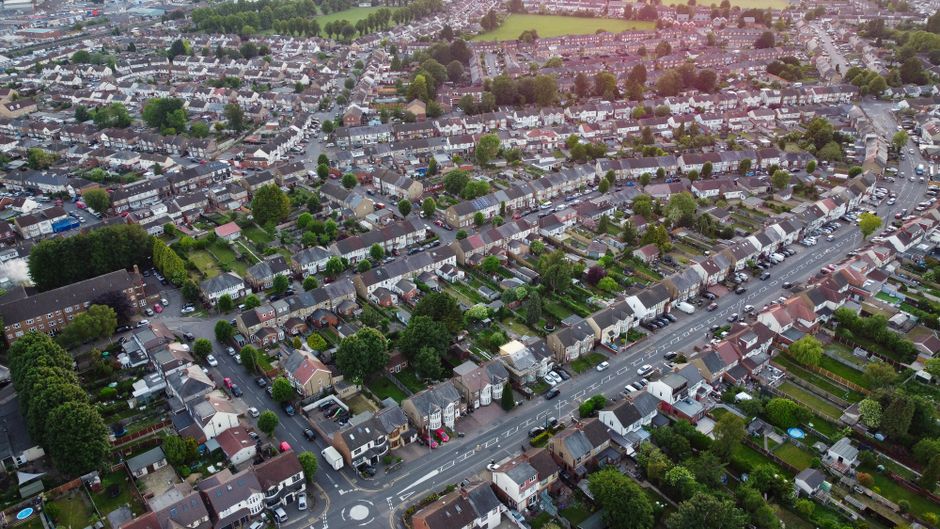
A typical terraced street move might look like this. A family is leaving a two-bedroom terrace with a narrow front path, a low brick wall, and only a small space to park the van. The hallway is fine, but the turn from the front door to the pavement is tight. The sofa is a little wider than expected, and the mattress is awkward because the stairs bend halfway up. No drama yet, but the kind of move where careless handling quickly becomes expensive.
Instead of trying to force the largest items out first, the team starts with route clearing. Bins are moved. A small table and plant pot are taken off the path. Blankets go on the doorframe and the corner of the hall wall. The sofa is wrapped before it leaves the room. One person watches the front gate while the other guides the angle of the item around the turn. Slow, not rushed. It feels almost too careful. And that is exactly why it works.
By the time the final boxes are carried out, the street is still tidy, the hallway is unmarked, and the van load is secure. No scraped paint, no dented corner, no neighbour upset because the pavement was blocked for too long. Truth be told, the move was not exciting. But it was clean, and that is what people usually want once the dust settles.
For a similar kind of access-aware move, the notes in Norwood Green estate moves access parking tips can be handy when parking and street position become part of the challenge.
Practical Checklist
Use this before the first item comes out the door. It keeps things grounded.
- Walk the route from house to van
- Check for narrow points, steps, and loose paving
- Move bins, bikes, mats, and pots out of the way
- Protect walls, door frames, and floors
- Wrap large or fragile items before lifting
- Assign clear roles to helpers
- Make sure the van is parked safely and sensibly
- Keep one person watching the route during tricky carries
- Load heavy items first and fragile items last, or separately
- Re-check the street if conditions change
- Take breaks rather than pushing through sloppily
- Leave the property clean and presentable at the end
If you are in a hurry, the basics still matter. Sometimes the fastest way is the slower one done properly. Strange, but there it is.
Conclusion
To prevent damage on Norwood Green terraced streets, you do not need a complicated system. You need a practical route, enough protection, careful lifting, and a bit of patience at the awkward moments. The best moves are usually the ones where the street still looks almost unchanged afterwards.
That means thinking ahead about access, parking, turns, fragile surfaces, and the items most likely to cause trouble. It also means knowing when to ask for help rather than pushing through a difficult carry alone. In our experience, that one decision can save more time than it costs.
So, take your time with the planning. Wrap things well. Keep the path clear. And give the move the respect it deserves. A terraced street can be handled neatly if you treat it like a shared space, not a race track. A calmer move is rarely a worse move. Usually the opposite.
Get a free quote today and see how much you can save.