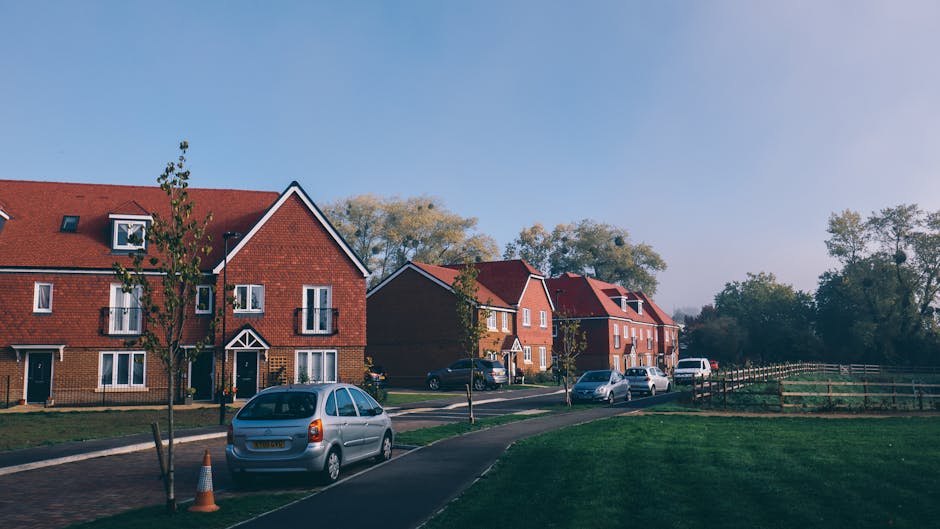
Norwood Green Estate Moves: Access, Parking & Tips
Posted on 28/04/2026
Norwood Green Estate Moves: Access, Parking & Tips
Moving into or out of an estate in Norwood Green can feel straightforward on paper, then suddenly a van arrives, a stairwell feels tighter than expected, and parking turns into the real puzzle. That is exactly why Norwood Green Estate Moves: Access, Parking & Tips matters. A little planning goes a long way here. If you know where the vehicle can stop, how the route into the building works, and what to do before the first box is lifted, the whole move becomes calmer, quicker, and less expensive in practical terms.
This guide breaks down the access issues that catch people out, the parking points that need attention, and the small but useful habits that make estate removals run more smoothly. It also links those details to the wider moving process, from packing and decluttering to furniture handling and storage, so you are not left joining the dots at the last minute. Truth be told, that last-minute scramble is where most moving stress starts.
Why Norwood Green Estate Moves: Access, Parking & Tips Matters
Estate moves are rarely difficult because of the boxes alone. The real friction usually comes from the bits around the move: a narrow entrance, a shared driveway, a lift that is smaller than expected, or a parking bay that looks available until another resident gets home at 7 pm. On an estate, those small details can decide whether the job is smooth or awkward.
In Norwood Green, many moves involve a mix of residential streets, shared access points, and building rules that are easy to overlook if you only think about the address itself. A removal team might be perfectly prepared for the furniture, but still lose time if the van cannot stop close enough to the entrance. That wasted time matters. It can affect safety, energy, and sometimes even the cost of the move.
This is why people search for local moving guidance before they book. They are not just asking "Can you move my things?" They are really asking, "Can you get in, park sensibly, and do it without chaos?" A good local plan answers all three.
If you are trying to compare service options as well as solve the practical side, it helps to look at a wider range of support too. For example, the team's services overview gives a clear picture of how different removal needs fit together, while man with a van in Norwood Green can be a better fit for smaller or simpler moves where access is still a concern but the volume is lighter.
How Norwood Green Estate Moves: Access, Parking & Tips Works
At a practical level, a successful estate move usually follows a simple pattern: assess the site, plan the vehicle position, protect the route, and sequence the loading so nobody is carrying something bulky twice. That sounds obvious. In practice, it is often skipped, and then everyone ends up improvising on the day.
Here is how it normally works when the move is planned well:
- Access is checked first. That means gates, entry systems, key fobs, intercoms, lift size, stair width, and any awkward corners.
- Parking is treated as part of the job, not an afterthought. The best spot is the one that minimises carrying distance while staying safe and considerate.
- Loading order is matched to the layout. Heavier items and fragile items are not just packed; they are packed in a sequence that suits the route from door to van.
- Timing is chosen with the estate in mind. Mid-morning may be calmer than school-run hours or the end of the working day.
- Communication is kept simple. If access is tricky, the mover knows before arriving, not after the van is already circling the block.
For a flat move, the same logic becomes even more important. A small lift can still be manageable if the sofa is dismantled in advance, and a tall chest of drawers can be safe enough if the route is measured properly. If that sounds like your situation, the advice in flat removals in Norwood Green is worth a look, especially if stairs, communal hallways, or landing space are likely to be tight.
The key idea is simple: the move should fit the estate, not the other way around. That one mental shift solves a lot.
Key Benefits and Practical Advantages
Getting the access and parking side right brings benefits that show up immediately on moving day, and some that only become obvious later. People often focus on the obvious win - less stress - but there are a few more concrete advantages worth spelling out.
- Shorter carrying distances. Less time walking back and forth means less fatigue and fewer chances to bump walls, doors, or banisters.
- Better safety. Safe positioning reduces the risk of rushed lifting and awkward turns in shared spaces.
- Lower disruption to neighbours. A well-placed van and a tidy loading plan are simply less annoying for everyone else on the estate. Let's face it, nobody enjoys a removal truck blocking the whole view for an hour.
- More predictable timings. When the route is known, loading and unloading can be estimated more realistically.
- Fewer last-minute decisions. That alone is worth a lot. Nobody wants to stand in a hallway debating whether the mattress will fit while the clock keeps ticking.
There is also a commercial benefit. If you are comparing providers, a team that asks sensible questions about access and parking before the move is usually showing the right kind of professionalism. That sort of awareness often matters more than flashy promises. You may also want to compare service fit with removals in Norwood Green or removal services in Norwood Green if you need something broader than a simple van hire style job.
Practical summary: the best estate move is usually the one where the van arrives once, parks once, and everything flows from there. Quietly efficient. No drama. That is the goal.
Who This Is For and When It Makes Sense
This kind of planning is useful for a wide range of movers, not only families or long-distance households. In fact, estate access planning is often most valuable for moves that look "easy" until the building layout makes them tricky.
- Flat and apartment movers dealing with communal entrances, lifts, or stairwells.
- Households moving within Norwood Green where parking and road space can still be tight.
- Students and renters who need efficient, budget-conscious support and may have limited loading time.
- Office or small business movers shifting equipment, boxes, and furniture without disrupting neighbours or staff.
- People moving bulky items like beds, wardrobes, sofas, or pianos that need more than a quick lift-and-go approach.
If you are moving a sofa, bed, mattress, or piano, access planning becomes even more important because those items are not forgiving. A sofa does not care that the stair bend is awkward. A mattress has opinions too, and usually not helpful ones. For furniture-specific guidance, the article on moving a bed and mattress smoothly and the guide on piano moving with experience can save you from a bad guess.
It also makes sense if you are short on time. If the move is happening quickly, or you need a same-day turnaround, access and parking planning can be the difference between a manageable day and a very long one. In those cases, same-day removals in Norwood Green may be the right starting point, but only if the loading details are made clear up front.
Step-by-Step Guidance
Here is a practical way to plan a Norwood Green estate move without turning it into a spreadsheet marathon. Keep it simple, but do not skip the details that matter.
1. Check the access route before moving day
Walk the route from the front entrance to the van parking area. Look for tight corners, low overhangs, steps, locked gates, and any places where two people would struggle to pass with a large item. If there is a lift, note whether it is suitable for large furniture or only boxes.
2. Measure the awkward items
Measure the height, width, and depth of anything bulky: sofa, wardrobe, fridge, mattress, desk, or shelving. Knowing the dimensions is not overkill. It is basic protection against a "we thought it would fit" moment. That moment is never fun.
3. Plan parking with the estate layout in mind
Choose the closest safe and permitted stopping point. If there is a loading bay, use it properly. If parking is limited, think about how long the van can be stationary without blocking access for neighbours or emergency vehicles. Keep it considerate and practical.
4. Declutter before packing
The less you move, the easier access becomes. That sounds obvious, but it is one of the fastest ways to reduce pressure on estate moves. If you have not done it already, the advice in effective decluttering techniques is a strong place to start. Fewer items means fewer trips and less risk of damage.
5. Pack in a loading-friendly order
Pack heavy and awkward items so they can be loaded first or last as needed, rather than buried behind a random wall of boxes. If you want a better packing rhythm, how to pack efficiently for a smooth moving experience is a useful companion guide. Proper packing is not glamorous, but it pays you back very quickly.
6. Protect the building and shared spaces
Use blankets, door protection, and floor coverings where needed. Hallways in estates can show wear quickly, especially on rainy days when shoes bring in grit. A few minutes of care avoids apologising later.
7. Keep a small "first hour" bag aside
Set aside essentials: keys, phone charger, tea bags, snacks, wipes, important documents, and any medications or building access items. When the van is parked and the first load is moving, you do not want to dig through six boxes searching for a kettle filter or a screwdriver.
8. Recheck the route at arrival
Before carrying anything heavy, do one last check. Is the parking spot still available? Has another vehicle blocked the route? Are there residents coming and going? That quick pause can prevent a mess.
Expert Tips for Better Results
A few small habits make a big difference on estate moves. They are the kind of things experienced movers tend to do automatically, but they are easy to copy once you know them.
- Book the vehicle size to suit the site, not just the volume. A larger van is not always better if the estate is tight.
- Keep one person free to watch access. This is useful when other residents, delivery drivers, or visitors are moving through the same space.
- Use colour labels or clear room labels on boxes. It cuts confusion at both ends and speeds up unloading.
- Disassemble furniture early. A bed frame that is already broken down is far easier to move through an awkward corridor. Simple, but effective.
- Protect fragile items separately. Do not hide them in general boxes just because the boxes are full. That is asking for trouble.
- Keep the route tidy. Coats, bins, bikes, and plant pots can become trip hazards very quickly on a busy estate path.
One small but useful tip: if you are moving a sofa or other upholstered item, think about the route as much as the item itself. A sofa may fit through the door but snag on a handrail or turn badly on a landing. For longer-term protection once it is out of the property, you may find long-term sofa storage advice handy, especially if you are bridging dates between homes.
And if the move involves specialist items or heavy single-handed lifting in awkward spaces, be honest about the limits. The guide on single-handed heavy lifting explains why "I can probably manage" is not always the right call. Usually it is a shoulder, a stairwell, and a bit of stubbornness that make things worse. Funny how that works.
![An aerial view of a residential neighbourhood in Norwood Green showing a large green park with various mature trees, some with white blossoms, bordered by a narrow footpath. To the right, a roundabout connects multiple roads, with vehicles including cars and vans visible on the junction and adjacent streets. On the far side of the park, rows of terraced houses with pitched roofs, brick facades, and front gardens are visible. The scene is lit by natural daylight, highlighting the lush greenery and the streets' traffic flow, illustrating a typical home relocation and moving logistics environment supported by [COMPANY_NAME] for efficient furniture transport and packing during house removals.](/pub/blogphoto/norwood-green-estate-moves-access-parking-tips2.jpg)
Common Mistakes to Avoid
Most estate move problems are preventable. The bad news is that they are often preventable in very ordinary ways. The good news is you can avoid them without becoming a logistics expert.
- Assuming parking will sort itself out. It rarely does. Even a short delay at the start can knock the whole day out of rhythm.
- Not checking building rules. Some estates have practical expectations around noise, loading, and access that you should respect.
- Ignoring the size of bulky furniture. If something looks awkward in your current room, it will still look awkward in the corridor.
- Packing too late. Last-minute boxes are often messy boxes, and messy boxes are slower to load.
- Blocking communal spaces. Residents still need access. Keep walkways clear wherever possible.
- Forgetting about weather. Rain, wind, and muddy shoes make shared spaces messier and more slippery. A quiet 8 am drizzle can change the whole tone of a move.
Another common slip is not thinking ahead about disposal or recycling. If the move gives you a chance to let go of old furniture or packaging waste, look at responsible options rather than leaving it to the last box. The site's recycling and sustainability page is useful for anyone trying to keep the move tidy and less wasteful.
There is also a bigger planning mistake: assuming a move can be done the same way in every property. It cannot. A ground-floor house with driveway space is a different animal from a top-floor flat with shared parking and one lift that is already busy. Different layout, different tactics.
Tools, Resources and Recommendations
You do not need specialist equipment for every move, but the right basics make estate removals much easier. A short list can prevent a long headache.
| Tool or Resource | Why It Helps | Best For |
|---|---|---|
| Measuring tape | Checks furniture dimensions against doors, stair turns, and lift space | Bulky items, flats, narrow access |
| Furniture blankets | Protects items and communal walls from scratches | Sofas, tables, wardrobes |
| Box labels | Speeds up unloading and reduces confusion | Family moves, mixed-room loads |
| Trolley or sack truck | Reduces lifting on longer routes | Heavy boxes, appliances |
| Protective wrap | Keeps furniture edges and upholstery cleaner in transit | Storage, damp weather, soft furnishings |
| Clear access notes | Helps the removals team plan arrival and parking properly | All estate moves |
For packing supplies, it helps to use a local source that understands moving-day realities rather than just selling boxes. The packing and boxes in Norwood Green page is a sensible place to look if you want to keep everything organised and ready in advance.
If storage is part of the plan, for example because exchange dates or tenancy dates do not line up neatly, then storage in Norwood Green can be a practical bridge. It is often the difference between rushing and breathing for a moment. Which, to be fair, can be priceless on moving week.
Law, Compliance, Standards, or Best Practice
Estate moves are not usually about complex legal issues, but there are still standards and practical responsibilities worth following. The main one is simple: move safely, respect shared access, and avoid creating unnecessary risk or disruption.
Best practice usually includes the following:
- Respecting parking rules and estate restrictions. If an area is not meant for loading, do not assume it is fine just for a minute.
- Keeping communal routes clear. This protects residents and helps avoid complaints.
- Using safe lifting methods. Heavy or awkward items should be moved with enough help and the right equipment.
- Maintaining insurance awareness. Anyone handling your belongings should be clear about how they work and what is covered.
- Following reasonable health and safety practice. No rushing, no blind corners, no carrying items you cannot see around.
For more on how a moving company approaches these duties, it is worth reading the site's insurance and safety information and health and safety policy. If you are the sort of person who likes to check details before booking, that is a good habit. Not fussy. Just sensible.
You may also want to review the terms and conditions and pricing and quotes pages so there are no surprises about what is included and how quotes are built. A straightforward quote is usually the best kind.
Options, Methods, or Comparison Table
There are usually a few different ways to handle an estate move. The right choice depends on volume, access, urgency, and how much heavy lifting is involved. Here is a simple comparison.
| Approach | Best For | Strengths | Watch Outs |
|---|---|---|---|
| Man and van | Smaller moves, single rooms, flexible jobs | Quick, adaptable, good for modest access issues | May not suit very large or multi-load moves |
| Full removals service | Whole-house or larger flat moves | More structured, better for complex access and heavier furniture | Usually needs more planning |
| Student removals | Light loads, short-notice moves, budget-led jobs | Simple, efficient, often ideal for smaller estates | Less suited to large furniture or storage-heavy moves |
| Flat-focused moving support | Buildings with stairs, lifts, and shared entrances | More relevant planning for access and loading challenges | Needs accurate property details to work well |
If you are unsure which route fits, compare the move against your access, not just your room count. A surprisingly small move can still be awkward if the parking is bad or the entrance is tight. On the flip side, a bigger move can be quite manageable if the access is clean and the packing is done properly.
For students or lighter relocations, student removals in Norwood Green can be a better fit than a larger all-purpose option. For heavier or more complex household moves, house removals in Norwood Green may be the more balanced choice.
Case Study or Real-World Example
Imagine a two-bedroom flat move in Norwood Green. The contents are fairly standard: a bed frame, mattress, sofa, dining table, six boxes of kitchenware, books, a TV, and a couple of awkward plants that somehow always look more fragile on moving day. The resident is leaving a first-floor flat with a shared entrance and limited parking on the street outside.
Without planning, this move could become messy. The van might end up parked too far away, the sofa could get stuck at the stair turn, and the move would drag on because boxes were packed in no useful order. But with a little preparation, the job changes completely.
- The sofa is checked against the doorway and hall width before moving day.
- The mattress and bed frame are packed separately and labelled clearly.
- The van is positioned to keep carrying distance short while staying within parking rules.
- Fragile boxes are loaded last so they come off first.
- The resident keeps the route clear of shoes, bins, and anything else likely to trip people up.
The move is still a move. There is still a bit of noise, a bit of dust, and someone inevitably saying, "Where did we put the kettle?" But it is controlled. The team can work steadily, the neighbours are not inconvenienced more than necessary, and the final unload is far less stressful than it would have been otherwise.
That is the real value of access and parking planning. It does not make moving magical. It just removes the avoidable friction.
Practical Checklist
Use this checklist a day or two before the move. A quick walk-through now can save a lot of noise later.
- Confirm the full address and any estate access instructions.
- Check whether there are gates, intercoms, key codes, or lift restrictions.
- Measure the main furniture pieces and compare them with doors and stairs.
- Decide where the van can safely stop without blocking residents.
- Tell the removals team about any unusual access, parking, or timing limits.
- Label boxes by room and mark fragile items clearly.
- Disassemble furniture where practical.
- Set aside documents, keys, chargers, medication, and essentials.
- Protect floors, door frames, and corners if the building is prone to scuffs.
- Keep communal walkways clear throughout loading and unloading.
If there is still a gap between move-out and move-in, plan that early too. A short stay in storage can help protect furniture and reduce pressure. And if you are moving a sofa, freezer, or other awkward item, do not wing it. A five-minute check often saves a five-hour problem.
Conclusion
Norwood Green estate moves are usually easiest when you treat access and parking as part of the move itself, not as background details. Measure the awkward bits, plan the vehicle position, respect the shared spaces, and keep your packing sequence sensible. Do that, and the whole day becomes far more manageable.
There is no magic trick here, just good judgement and a little local awareness. That is often enough. In fact, it is usually more than enough. If you want the move to feel calmer, start with the layout, then build the rest of the plan around it. Small steps, steady hands.
Get a free quote today and see how much you can save.
And if you are still refining the plan, it can help to explore the wider moving support available through removal companies in Norwood Green or the more focused man and van service in Norwood Green before you commit. Sometimes the right fit is the one that simply makes the day feel easier.