Avoid Fines: Parking and Skip Rules in Norwood Green
Posted on 05/07/2026
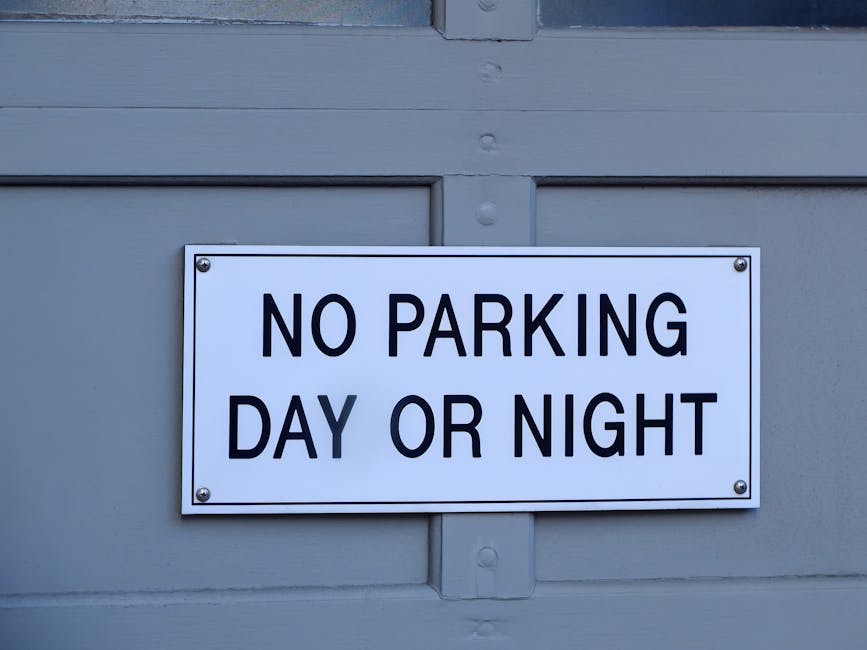
If you are planning a move, a clear-out, or even just a bulky item collection, the parking and skip rules in Norwood Green can catch you out fast. One minute you are focused on boxes, lifting straps, and timings; the next, you are staring at a penalty notice or a skipped delivery because the access was not right. That is exactly why understanding Avoid Fines: Parking and Skip Rules in Norwood Green matters before the van arrives.
This guide breaks the whole thing down in plain English. You will learn how parking restrictions affect removals, where skip placement becomes sensitive, what to check with Ealing Council and private landowners, and how to plan a cleaner, safer job from the start. A bit of preparation goes a long way here. Truth be told, it saves money, stress, and those awkward "we should have checked that" moments.
Why Avoid Fines: Parking and Skip Rules in Norwood Green Matters
Norwood Green has a practical, lived-in feel to it, but that also means the streets are often busy, tighter than people expect, and not always forgiving to large vehicles. If you are moving furniture, clearing an office, or arranging waste removal, the wrong parking choice can lead to delays, obstruction issues, or penalties. And with a skip, it is not just about "finding space". It is about whether the placement is allowed, safe, and sensible for the street layout.
For residents, landlords, students, and businesses, the risk is not only financial. A badly planned parking setup can block neighbours, slow down loading, or make a removal team carry heavy items further than necessary. That extra distance sounds small, but after a few sofas, a mattress, and a bookcase, you will notice it. The same applies to skips. If one arrives without proper permission or is positioned badly, it can become a nuisance in no time.
There is also a reputation element here. In a local area, people notice when a job is done neatly. They also notice when a van blocks driveways on a rainy afternoon or a skip sits half on the pavement for days. Careful planning helps you avoid that. It keeps the job moving and keeps everyone on the right side of local expectations.
If you are planning a move, it can help to read a few related guides as well, especially if access is tight or you are handling awkward items. Our guide to Norwood Green estate access and parking tips is especially useful if your property has limited frontage or shared parking. For heavier items, the advice in single-handed heavy lifting is also worth a look, because sometimes the parking plan and the lifting plan have to work together.
How Avoid Fines: Parking and Skip Rules in Norwood Green Works
At its core, this is about matching your logistics to the space available. You are trying to do three things at once: keep vehicles legal, keep neighbours unblocked, and keep the actual move or clearance efficient. That sounds simple. In practice, it takes a bit of checking.
Parking rules can affect whether a van may stop outside your property, how long it can stay there, and whether any loading activity is likely to cause problems. Skip rules are different, but they follow the same logic: the container should be placed where it will not create avoidable obstruction or safety issues, and any permissions needed should be arranged beforehand. On private land, the property owner usually controls the decision. On public land or where the pavement is involved, you may need approval or special arrangements. It depends on the exact location, which is why assumptions are risky.
In moving situations, the details matter. A removal van may need a short loading window rather than an all-day park. A skip may need enough room for the lorry to deliver and collect it without damage to kerbs, bays, or parked cars. If you are working near terraced streets, narrow roads, or mixed-use residential areas, those details become even more important. You can see that in our guide on preventing damage on Norwood Green terraced streets and in the practical notes on narrow streets and staircase solutions in UB2 moves.
The easiest way to think about it is this: if a vehicle, skip, or delivery point creates risk for traffic, pedestrians, or access, it needs more planning. Not drama. Just planning.
Key Benefits and Practical Advantages
Getting the parking and skip side right gives you more than just peace of mind. It improves the whole job from start to finish.
- Fewer penalties and less stress: You reduce the chance of avoidable fines or complaints.
- Smoother loading: The van or skip is placed where the team can work efficiently.
- Better neighbour relations: Nobody enjoys being trapped in their drive while someone is unloading a wardrobe.
- Less damage risk: Careful placement helps protect pavements, kerbs, gates, and parked vehicles.
- Faster turnaround: Less walking, fewer bottlenecks, fewer stop-start moments.
There is also a hidden benefit: you make the entire operation feel calmer. Moves are noisy enough already. Doors opening, packing tape ripping, the hum of a van engine, and someone calling out measurements from the hallway... it all adds up. When the parking is sorted, the rest tends to breathe a bit easier.
For many households, that calm also helps the packing process. If you are still boxing items while the vehicle is due, our packing efficiently guide and decluttering advice can make the loading stage much more manageable.
Who This Is For and When It Makes Sense
This topic matters to more people than you might expect. It is not just for large house moves or construction projects.
- Home movers: Anyone booking a removal van or man and van service in Norwood Green.
- Flat movers: Shared entrances, tight parking, and stair access can complicate everything quickly.
- Students: Short-term moves often happen under time pressure, which is when parking mistakes happen.
- Office teams: Business moves can involve time windows, deliveries, and the need to minimise disruption.
- Landlords and letting agents: End-of-tenancy clearances and refurbishment work can require skip planning.
- Anyone with bulky waste: Sofas, beds, and old appliances do not magically disappear, sadly.
It also makes sense whenever timing is tight. If you are arranging a same-day move or a last-minute clearance, the odds of forgetting a parking detail go up. That is exactly when you should slow down for five minutes and check the basics. A little pause now is better than a parking ticket later. Or a skip that cannot be dropped where you expected. Or both. That would be a miserable afternoon, let's face it.
If your move is urgent, the page on same-day removals in Norwood Green is a useful companion when timing and access are both working against you.
Step-by-Step Guidance
Here is a straightforward process that keeps most people out of trouble.
- Check the exact location. Is the vehicle stopping on a public road, on private land, in a bay, or partly across a pavement? The answer changes what you may need to arrange.
- Measure access properly. Do not guess. Look at the width of the road, the height of overhanging trees, and whether the van can turn or reverse safely.
- Decide whether parking or loading is enough. Sometimes a short loading stop is fine. Sometimes you need a reserved bay or a different vehicle size.
- Plan the skip location early. A skip should be placed where it will not block access, footpaths, drains, gates, or sightlines.
- Get permissions in place. If the location or road conditions mean approval is needed, do that before the date arrives. Last-minute fixes are rarely neat.
- Protect the surface. Use boards or protective measures where appropriate, especially on delicate driveways or older kerbs.
- Coordinate arrival time. A van turning up before the space is clear is a classic headache. Make sure the timing works for everyone involved.
- Keep a contact chain ready. Driver, client, neighbour, and skip provider all need the right phone number. This sounds basic because it is basic, but it matters.
A useful habit is to walk the route the day before. Stand where the vehicle will stop. Look at what the driver will see. Where will doors open? Where will people pass through? Where could a skip lorry struggle to manoeuvre? That quick walk often reveals the issue that photos missed.
If you are handling heavy furniture, pair this parking plan with practical move preparation. Our guides on moving a bed and mattress smoothly and moving a piano with experience show why access planning is not just administrative. It affects the actual lift.
Expert Tips for Better Results
In our experience, the people who avoid fines in Norwood Green are not the ones who know everything. They are the ones who check the right things early and keep their plans realistic.
- Use the smallest vehicle that still does the job. Bigger is not always better if the road is tight.
- Book the parking plan before the packing rush starts. Once boxes are stacked in the hallway, decisions get messy.
- Keep a backup spot in mind. It may be a short walk away, but sometimes that is the safer choice.
- Leave room for neighbours. If a driveway or access route must stay open, treat that as non-negotiable.
- Choose skip size carefully. Overfilling is one problem; underestimating size and needing a second container is another.
- Think about the weather. Rain makes slippery loading areas worse and can make surfaces more vulnerable.
One small but useful tip: keep the driver informed of any awkward turn, low wall, or shared entrance before arrival. I have seen perfectly good plans unravel because someone said, "It should be fine" when it really wasn't. Not ideal.
For more on careful packing and protecting valuable items during a move, see how to achieve a zen-like house move and the essential steps for cleaning before leaving if you are wrapping up a tenancy or sale.

Common Mistakes to Avoid
Most fines and avoidable delays come from the same handful of mistakes. Once you know them, they are easier to dodge.
- Assuming parking is "fine for a minute". Short stops can still create problems depending on location and restrictions.
- Leaving skip placement to the last minute. If access is narrow, you need time to plan the drop.
- Ignoring private road or estate rules. Not every road works the same way, and estate rules can be stricter than people expect.
- Forgetting about loading space. A van may technically fit, but if the doors cannot open safely, that is not a solution.
- Blocking bins, gates, or crossings. That is the sort of thing that turns a simple job into a complaint.
- Choosing the wrong skip size. Too small leads to overflow, too large can be wasteful and awkward.
There is one more mistake that deserves its own mention: not coordinating waste and move-out plans. If you are clearing furniture, old appliances, or mixed junk, try to decide what is being kept, stored, donated, or removed before the van comes. Otherwise the loading area becomes a kind of emotional sorting room. No one needs that at 8:00 on a wet Tuesday morning.
If you are dealing with a mix of bulky items and leftover household waste, our guide to bulky waste pickup options in Norwood Green can help you think through disposal before the moving day crunch.
Tools, Resources and Recommendations
You do not need a mountain of equipment to handle this well. But a few practical tools make a real difference.
- Measuring tape: Useful for checking bay widths, driveway entrances, and skip clearances.
- Phone camera: Take photos of the street, entrance, and any tight corners so the plan can be reviewed later.
- Notepad or notes app: Keep timings, access instructions, and contact details in one place.
- Protective boards or coverings: Helpful where surfaces may be marked or crushed by weight.
- Boxes and labels: They speed up loading and reduce the time a vehicle needs to wait.
As a practical recommendation, bundle the parking plan with the packing plan. If the van arrives and you are still folding blankets, all the best intentions in the world will not help. The same goes for a skip that is ordered before you have actually sorted what is going in it. It sounds obvious, but on moving day obvious things get forgotten.
If you are still deciding how to organise the move itself, these pages may be useful: packing and boxes in Norwood Green, removal van options, and man and van support in Norwood Green. They help when the access plan is part of a bigger logistics decision.
Law, Compliance, Standards, or Best Practice
We should be careful here. Parking and skip requirements can vary depending on the exact road, land ownership, and current local arrangements. So while the general principle is easy to explain, the precise rule may differ from one property to the next. The safest approach is always to confirm the current position before you proceed.
In UK practice, the key compliance ideas are usually the same:
- Do not obstruct traffic or pedestrians. Access and safety come first.
- Respect parking restrictions. Loading rules are not a free pass if the location is controlled.
- Use private land with permission. Never assume a forecourt or shared yard is automatically available.
- Keep skips stable and visible. Good placement reduces the chance of accidents and complaints.
- Protect surfaces and nearby property. Good operators plan for this as standard, not as an afterthought.
Best practice is also about good communication. If you are using movers, tell them about any narrow road, controlled parking area, or unusual access point in advance. If you are ordering a skip, explain the street layout honestly. The more complete the picture, the less likely you are to run into a problem halfway through the job.
For move-related compliance and planning support, the guide on Ealing Council permits for Norwood Green removals is a useful read. It gives you a better sense of how local permission checks fit into the wider move plan.
Options, Methods, or Comparison Table
Different jobs call for different approaches. Here is a simple comparison to help you choose the most practical method.
| Option | Best for | Pros | Watch-outs |
|---|---|---|---|
| Short loading stop outside the property | Quick removals with clear access | Fast, convenient, minimal carrying distance | Can fail if restrictions or traffic conditions do not allow it |
| Reserved or arranged parking space | Longer moves or heavier items | More control, better flow, less disruption | Needs more planning and possible permission checks |
| Skip on private land | House clear-outs, renovations, bulky waste | Usually simpler if the space is suitable | Must not block driveways, access routes, or shared use areas |
| Skip on public-facing space | Sites without adequate private frontage | Can be practical when no alternative exists | More likely to need approval and careful placement |
If you are undecided, ask yourself a very simple question: what creates less disruption while still keeping the job legal and safe? That answer usually points you to the right choice.
Case Study or Real-World Example
Here is a realistic example from a typical Norwood Green move. A family was leaving a terraced property with limited frontage and a few bulky items: a sofa, double bed, dining table, and several packed boxes. The original idea was to park the van directly outside for the whole morning. On paper, it sounded neat. In reality, the street was busier than expected, and the turning space was tight enough that reversing in and out would have been awkward.
Instead of forcing the issue, the team adjusted the plan. They checked the access route, shortened the loading window, and arranged for the main items to be brought out in a sequence that matched the van's position. The skip element was handled separately, with placement considered before delivery rather than after. That saved time and avoided the classic mistake of having a container arrive before the space was properly prepared.
The useful lesson? Flexibility beats stubbornness every time. The family still got moved out efficiently, and there was no drama with blocked access or unnecessary back-and-forth. A bit of calm thinking made all the difference. Not glamorous, but very effective.
For similar situations, movers serving Southall Broadway and Norwood Green and same-day removals for Norwood Green emergencies are both helpful reads when speed, access, and local familiarity matter.
Practical Checklist
Use this quick checklist before the van or skip is booked. It is simple, but simple is good.
- Confirm whether the vehicle or skip will be on public or private land.
- Measure access, kerb space, and turning room.
- Check whether any permission or parking arrangement is needed.
- Tell the mover or skip provider about narrow roads, steps, slopes, or shared entrances.
- Choose a vehicle or skip size that suits the job, not just the budget.
- Protect fragile surfaces if needed.
- Keep pathways, bins, and driveways clear.
- Prepare boxes, labels, and bulky items before arrival.
- Have a contact number ready for any last-minute issue.
- Double-check the date, time, and loading sequence the day before.
Quick summary: if you plan the access, respect the space, and communicate clearly, you remove most of the risk. That is the whole game here.
Get a free quote today and see how much you can save.
Conclusion
Avoiding fines in Norwood Green is not about being overly cautious. It is about being organised in a place where streets, bays, and access points can change the shape of a move very quickly. Once you understand how parking and skip rules affect your plan, everything becomes easier: fewer surprises, less disruption, and a smoother handover from one stage to the next.
Whether you are moving a flat, clearing a house, or managing a bulky waste job, the same principle applies. Check early, communicate clearly, and do not leave the awkward details for the last minute. That small bit of discipline can save you money and a lot of hassle.
And honestly, that is the kind of win worth having. A tidy move, no unnecessary fines, and a calmer day all round.