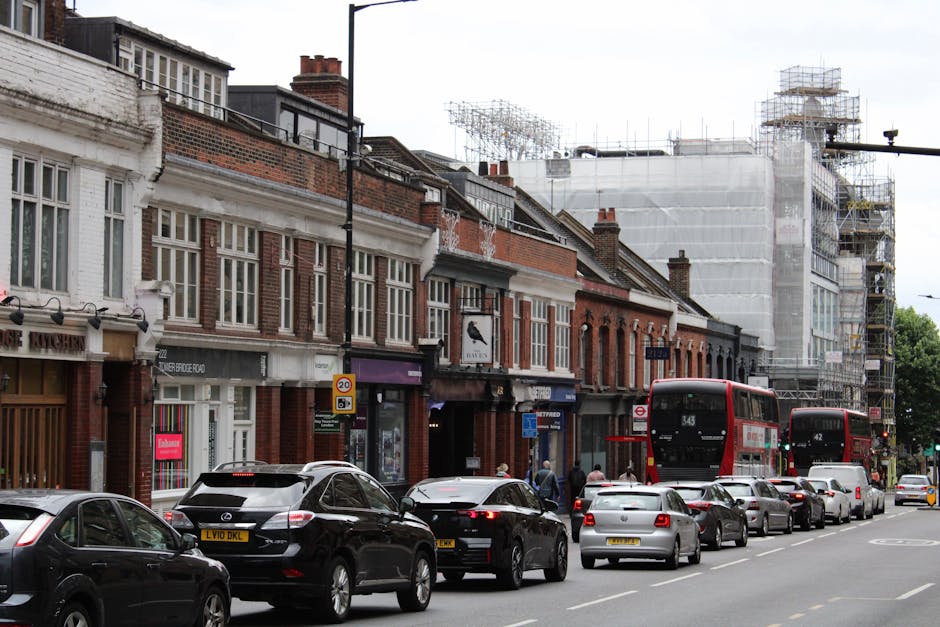
Norwood Green UB2 Removals Guide for Narrow Street Moves
If you are planning a move in Norwood Green, UB2, and the street outside your property is tight, awkward, or just plain unforgiving, you are not alone. Narrow roads, parked cars, low branches, impatient traffic, and neighbours trying to get on with their day can all turn a simple move into a bit of a puzzle. This Norwood Green UB2 removals guide for narrow street moves is here to make that puzzle easier. You will find practical planning advice, a clear step-by-step approach, common mistakes to avoid, and a realistic view of what works best when access is limited.
In our experience, the move itself is rarely the hardest part. It is the setup. One skipped measurement, one van too large, or one badly timed arrival can throw the whole morning off. Let's face it, nobody wants to be blocking a lane with a sofa half-out of the door while a bus waits behind. So the focus here is simple: reduce stress, protect your belongings, and keep the move moving.
Why Norwood Green UB2 Removals Guide for Narrow Street Moves Matters
Narrow street removals are a different kind of move. The usual assumptions do not always apply. A van that is perfect for a standard suburban driveway can be a headache on a tight UB2 road if there is no easy place to stop, unload, or turn around. In Norwood Green, where residential streets can feel compact and parking is often limited, a move needs a bit more thought than simply booking a vehicle and hoping for the best.
The real issue is access. When access is awkward, every part of the move becomes more sensitive: parking, loading order, carry distance, protection for furniture, and timing. Even a few extra metres from van to front door can make a difference if you are moving wardrobes, white goods, or boxes stacked to the ceiling. Small obstacles add up quickly.
This matters for families, tenants, landlords, and businesses alike. A narrow street can affect the cost, the timeline, and the type of vehicle needed. It can also change how much help you need. For example, if the van cannot sit outside your property, the crew may need to use a smaller shuttle-style load or carry items from a corner spot. That is workable, but it needs planning. A move that looks straightforward from inside the house can feel very different once the van arrives and the street tells its own story.
There is also a neighbourly side to it. Narrow roads in a place like UB2 are shared spaces. You want to keep disruption low, avoid blocking access, and move in a way that feels respectful. That is not just good manners; it often makes the day smoother for everyone.
How Norwood Green UB2 Removals Guide for Narrow Street Moves Works
The best narrow-street move usually follows a simple chain: assess access, choose the right vehicle, prepare the property, load in the right order, and plan the unload carefully. Sounds obvious, maybe. But each step is doing more than it first appears.
First comes the access check. That means looking at the street width, corner turns, parking restrictions, road markings, nearby trees, and the place where the van would realistically stop. If the vehicle cannot pull directly outside, you need to know the next nearest safe stopping point and how far the carry will be. That carry distance changes the whole rhythm of the day.
Next is the vehicle choice. For some homes, a full-size removal truck is simply not practical on a tight lane. In those cases, a smaller man with van setup or a compact removal van can be more effective. If the load is larger but access is awkward, a two-stage approach sometimes makes sense, with a larger vehicle waiting at a better location while a smaller van handles the final stretch. That is not glamorous, but it works.
Then comes packing. Narrow street moves reward tidy, stable loads. Heavy boxes should be easy to reach. Fragile items should not be buried under odd-shaped furniture. If your route involves stairs, tight hallways, or a front door that opens awkwardly onto the pavement, packing order becomes even more important.
Finally, on the day, the loading and unloading plan should be clear before the first box is lifted. Who is directing? Where will the van stop? Which items go out first? Simple questions, yes, but they save a lot of back-and-forth when the street is not giving you much room to breathe.
Key Benefits and Practical Advantages
A well-planned move in Norwood Green UB2 brings a few very practical advantages. The first is time. When the vehicle size matches the street, fewer awkward manoeuvres are needed, and loading tends to be quicker. Time saved on the curb often matters more than time saved inside the property.
The second is safety. Narrow street moves create extra opportunities for bumps, scrapes, and strained backs. Items get carried further, corners are tighter, and the chances of clipping a wing mirror or doorframe go up if everyone is rushing. A better plan reduces that risk quite a bit.
The third advantage is calm. That may sound soft, but calm matters. When the van can stop where it should, and boxes are labelled properly, the whole move feels less frantic. You are more likely to remember the kettle, the important documents, and the charger for your phone. Which, as anyone who has moved house knows, is worth its weight in gold.
There is also a money-saving angle. A move that is badly planned can take longer, require extra labour, or need a second trip. None of that is ideal. By contrast, the right vehicle and a realistic access plan can help you avoid unnecessary costs. If you are comparing options, it is worth checking pricing and quotes early, so you understand how access might affect the final figure.
Expert summary: The best narrow-street move is not the one with the biggest van. It is the one with the right-sized vehicle, the cleanest loading plan, and the fewest surprises at the kerb.
Who This Is For and When It Makes Sense
This guide is for anyone moving in or around Norwood Green UB2 where the street is tight, parking is limited, or access is a bit awkward. That includes renters in terraced homes, families in older properties, small business owners relocating from compact premises, and people moving into flats where access is not exactly generous.
It is especially useful if:
- your road has on-street parking that is usually busy
- the property sits on a narrow residential lane or cul-de-sac
- there are low branches, tight turns, or parked cars to work around
- you are moving larger furniture, not just a few boxes
- you need help deciding between a van, a larger truck, or a mixed approach
It also makes sense if you are organising a bigger move but do not want the vehicle to feel oversized for the street. In that situation, a smaller vehicle may actually be the smarter choice. A wide road can hide a lot of planning mistakes. A narrow one will not.
For homeowners, the guide is helpful when you are arranging a full domestic move. You may also want to look at home moves and house removals if you are comparing broader service options. For businesses, a compact access route can be just as relevant, so office removals and commercial moves may be worth reviewing too.
Step-by-Step Guidance
1. Measure the access properly
Start with the basics. Measure the width of the street where the van would stop, note any tight corners, and check whether parked cars reduce access at certain times of day. If possible, take a few photos on your phone. The human eye tends to be optimistic; the camera tends to be brutally honest.
Look at the property entrance too. A move can be blocked not by the street itself, but by a narrow gate, steps, a steep driveway, or a tricky door swing. It all counts.
2. Decide what type of vehicle fits best
If the load is light and access is limited, a smaller van may be the most sensible option. If the load is heavier but the street is still tight, a medium van can be a good middle ground. For larger homes or fuller loads, you may need a bigger vehicle parked slightly away from the front door, with the team carrying items in stages. That is where experienced movers and a flexible removal company really earn their keep.
3. Sort the packing before moving day
Label boxes clearly by room. Keep heavy items manageable. Use solid tape, not the sad kind that peels off halfway through the morning. Pack essentials separately so they do not vanish into the back of the van. In a narrow street move, tidy packing is not just neatness; it is efficiency.
4. Plan the parking and timing
Try to move at a time when the road is quieter, if your schedule allows. Early mornings can be better than mid-afternoon on some streets, but the right answer depends on local traffic, school runs, and parking patterns. If you know a spot near the property is usually taken by 8:30, do not plan to arrive then and expect luck to save you.
5. Protect the property and the route
Use covers, blankets, and floor protection where needed. Narrow hallways and close kerbs mean there is less room for error. Door edges, bannisters, and the van interior should all be protected properly. A small scuff can become a big annoyance very quickly.
6. Load in the right order
Start with the heaviest and most stable items, then build around them. Place fragile items where they will not shift. Keep essentials, documents, and things you need first at the easiest point to reach. If you are using a man and van service, a good loading order matters even more because space is tighter and every inch counts.
7. Unload with the destination in mind
Think about the new place before you arrive. Which room should the boxes go into? Where will the sofa sit while the room is still half-empty? When people plan this part late, the unloading process gets messy and everyone ends up improvising. That is fine for a weekend DIY project, not ideal on moving day.
Expert Tips for Better Results
One of the simplest wins is to use the smallest practical vehicle, not the largest available one. Bigger is not automatically better on a narrow UB2 street. If a van can do the job in one or two careful trips, it may be easier than squeezing a truck into a place it barely fits.
Another useful tip: leave a buffer in your timings. Even if the street looks manageable, it only takes one parked delivery van or one neighbour returning home to change the plan. A little extra time keeps everyone calmer. And calm movers make fewer mistakes. Truth be told, the kettle is often the first thing anyone wants at the other end anyway.
Use clear communication. Tell the driver about gate codes, stairs, one-way access, basement steps, and any awkward parking. Do not assume the crew can guess. They can adapt quickly, but only if they know what they are adapting to.
It also helps to split the move into zones: what goes first, what stays until last, and what needs special handling. If you have a piano, a large wardrobe, or a heavy corner sofa, mention it early. Surprises are lovely in birthdays, not so much in removals.
Finally, keep the essentials bag on you. IDs, keys, medication, chargers, snacks, tea bags, and a roll of bin liners. It sounds basic because it is basic, and basic things make stressful days feel manageable.
Common Mistakes to Avoid
The first big mistake is underestimating the street. People often look at the road from the pavement and think, "That should be fine." Then moving day arrives and the van cannot park where expected, turning a simple plan into a slow dance with the kerb.
The second mistake is booking the wrong vehicle. If the van is too large for the access, the move can become difficult, expensive, and sometimes unsafe. If the van is too small, you may need extra trips, which is not much fun for anyone.
Another common issue is poor packing. Loose items, overfilled boxes, and badly wrapped furniture all make loading slower. They also increase the chance of damage. A tidy pack is not about looking professional for the photos; it is about not regretting your life choices at 11:20 on moving morning.
People also forget to plan the unloading point. The destination may be easier than the old street, or it may be just as tricky. Either way, you should know where items are going before the van doors open.
One more: not asking enough questions before booking. If you need help with access-aware planning, it is better to speak clearly and early. A good provider will explain what they can do and what needs confirming beforehand.
Tools, Resources and Recommendations
You do not need a van-full of gadgets to handle a narrow street move, but a few sensible tools make a real difference. A tape measure, strong labels, packing tape, furniture blankets, and a marker pen are the basic kit. A phone camera is useful for photographing access points, awkward turns, and any parking restrictions you need to remember later.
If you are comparing service types, the following pages may help you judge the level of support you need:
- removals for a general overview of moving support
- man with van removal for lighter or more flexible jobs
- removal services if you want a broader service-led approach
- packing and unpacking services if you want help before and after the move
If you are moving furniture only, it may also be worth looking at furniture pick up. For heavier loads, moving van options can offer a sensible compromise between space and access.
And if you are still weighing up whether to use a dedicated provider, comparing a few removal companies can help you understand what different teams include in their planning, loading, and transport support. Small differences matter more on narrow streets than they do on wide-open roads.
Law, Compliance, Standards, or Best Practice
For a narrow street move in Norwood Green UB2, the main compliance concerns are usually practical rather than legal drama. You should still be careful about parking restrictions, obstruction, safe loading, and access for neighbours, delivery drivers, or emergency services. Local restrictions can vary, so it is sensible to check the street situation in advance rather than assuming everything will be fine.
Safe manual handling is another major best-practice point. Heavy lifting on stairs, in tight hallways, or over longer carry distances increases strain. Good moving teams use correct lifting technique, share the load, and avoid rushing. That sounds obvious, but people do weird things when they are trying to save ten seconds.
Insurance and safety are worth checking too. A reputable moving setup should be clear about how goods are handled and what happens if something goes wrong. If you want to understand those arrangements better, it is reasonable to review insurance and safety and the company's health and safety policy. These pages are useful for setting expectations, especially if your move involves valuable furniture, a tight access route, or busy street loading.
Best practice also includes honesty. If access is poor, say so. If parking is uncertain, mention it. If a sofa has to be taken apart, do not hide that detail until the van arrives. Good planning is mostly about telling the truth early.
Options, Methods, or Comparison Table
When access is tight, the right moving method depends on the size of the load, the street width, and how much carrying is involved. Here is a simple comparison to help you think it through.
| Method | Best for | Strengths | Trade-offs |
|---|---|---|---|
| Small van | Light moves, tight streets, single-room contents | Easier parking, better access, quicker positioning | Less capacity, may need multiple trips |
| Medium removal van | Typical home moves with restricted access | Good balance of space and manoeuvrability | Still needs careful parking planning |
| Larger truck | Bulkier house or office moves where access is less restricted nearby | More capacity in fewer loads | Harder to fit on narrow roads, higher access risk |
| Two-stage move | Very narrow streets, limited stopping space, bigger loads | Flexible and practical | Needs stronger coordination and sometimes extra time |
For many Norwood Green UB2 properties, the sweet spot is a compact or medium option. If the street is especially tight, a vehicle that looks almost too small can actually be the smartest one. Odd, but true.
Case Study or Real-World Example
Here is a realistic example from a typical local-style move. A couple were leaving a two-bedroom terrace in UB2. The street was narrow, parked cars lined both sides, and the front door opened straight onto a small pavement area. On paper, the move seemed like a standard house shift. In reality, the van could not sit directly outside the property for long.
Instead of forcing a larger vehicle into the road, the move was split into a more practical plan. The crew used a smaller van for the final loading point and kept the heaviest items nearest the exit. Sofas, boxes, and kitchen items were loaded in a sequence that avoided repeated lifting. The team also pre-checked the route so there was no confusion about where to park for the unload at the new address. Simple. Not effortless, but simple.
The result was a smoother day with fewer delays. The couple avoided last-minute vehicle changes, and the move stayed controlled even though the street was tight. That is the pattern you want to copy. Not perfect conditions. Just a plan that matches the road in front of you.
If the move is business-related, the same logic applies. A compact access plan can make office relocation services much easier to manage, especially when desks, monitors, and filing items need careful handling.
Practical Checklist
Use this checklist in the days before your move. It keeps the important bits visible when everything else is trying to become chaos.
- Measure the street and note the tightest point
- Check where the van can safely stop
- Photograph any parking restrictions or awkward access points
- Confirm whether the load fits a small, medium, or larger vehicle
- Tell the mover about stairs, gates, or steep paths
- Label boxes by room and priority
- Pack a separate essentials bag
- Protect floors, doorframes, and furniture corners
- Keep keys, documents, and phone chargers with you
- Leave extra time for loading and unloading
Quick takeaway: If the street is narrow, the best preparation is not more effort. It is better information, better timing, and a vehicle that fits the road rather than fighting it.
Get a free quote today and see how much you can save.
Conclusion
A narrow street move in Norwood Green UB2 does not have to be stressful. Once you understand the access, choose the right vehicle, and prepare the loading plan properly, the whole process becomes far more manageable. The biggest improvements usually come from small decisions made early: measuring carefully, packing neatly, and being realistic about parking and carry distance.
Whether you are moving a family home, shifting a flat, or relocating a small business, the same principle applies. Respect the street, respect the load, and give the move enough room in the plan even if the road itself does not give you much room at all. That is usually where the real difference is made.
If you are feeling unsure, that is normal. Narrow street moves can look deceptively simple until moving day arrives. The good news is that a sensible plan goes a long way. One careful decision at a time, and the job gets done.
Frequently Asked Questions
What makes a narrow street move in Norwood Green UB2 different from a normal removal?
The main difference is access. Narrow streets can limit where the van parks, how easily items are carried, and how quickly the move can happen. That affects vehicle choice, timing, and loading order.
Should I choose a smaller van for a tight street?
Often, yes. A smaller van or compact removal vehicle can be easier to position and may reduce the chance of parking problems. The right choice depends on how much you are moving and how restricted the road is.
How do I know if a bigger truck will fit outside my property?
Measure the street, check for parked cars, and look at turning space at both ends. If in doubt, compare the route with photos and ask the moving team whether a larger vehicle is realistic for the access.
Can a narrow street move still be done in one day?
Yes, most of the time. The key is planning. If the access is very tight, the team may need to work more carefully or use a smaller vehicle, but a one-day move is still often practical.
What should I tell the mover before moving day?
Tell them about street width, parking restrictions, stairs, steep paths, gate codes, awkward corners, and any large or fragile items. The more accurate the information, the smoother the move will be.
Is it better to use a man and van service for a narrow road?
It can be. A man and van setup is often flexible and well suited to restricted access, particularly for smaller loads or moves where parking is a headache.
What if the van cannot park directly outside my home?
That is common on narrow streets. The crew may park nearby and carry items the extra distance. It is manageable, but it should be planned in advance so timings and labour are realistic.
How can I reduce the risk of damage during a tight move?
Use proper wrapping, sturdy boxes, furniture blankets, and clear loading order. Also protect doorframes and floors, and avoid rushing through tight hallways or around parked vehicles.
Do narrow street moves cost more?
They can, depending on the extra time, vehicle size, or labour required. Costs vary, so it is sensible to request a quote that reflects the access conditions rather than assuming a standard job rate will apply.
What is the best time of day to move on a busy UB2 street?
There is no universal answer, but quieter periods are usually easier. Early morning may work well in some streets, while school-run times or peak parking periods can make access much harder.
Can you help with packing as well as transport?
Yes, many moves benefit from additional packing support. If you want help before and after the move, packing and unpacking services can save time and reduce the amount of sorting needed on the day.
What should I do if I am moving office from a narrow street location?
Plan the furniture list, access route, and loading sequence in detail. Office moves often involve awkward desks, IT equipment, and shared building access, so advance planning matters even more. A page on office removals may help you think through the process.